Formal instruction, measured honestly
A weekday, academic-year school for children ages 6–10 (roughly grades 1–5), kept deliberately small so a teacher knows every child.
Reading, writing and arithmetic, then everything they unlock
Systematic phonics to real fluency. Mastery-based mathematics with genuine fact fluency. Writing, science, history & civics from year one.
Subject by subject
Reading & language. Structured literacy: phonics through fluency, then comprehension built on knowledge, not on guessing strategies.
Mathematics. Mastery-based, with real fact fluency and genuine problem solving, not spiral review that never lands.
Writing, science, history & civics. A knowledge-rich sequence, because comprehension is built on knowing things.
Stated plainly, applied without apology
Direct instruction. Mastery pacing. Retrieval and spaced practice. A teacher leads; adaptive software delivers practice at each child's exact level.
Why these, and not the fashions
None of this is novel. It is what decades of research support, done deliberately. Every one of these choices traces to the published evidence base at teachingdb.com, including the places where the evidence is thin and we say so.
A reliable core, and real experts
A core faculty of educators carries every day: instruction, small groups, and the standard every child is held to. Around them, a specialist pool of people with expert skills who teach what they actually do.
How we hire, and why
As a private school we hire for demonstrated skill, not paper credentials. A credential is a weak proxy for the two things that matter: knowing the subject cold, and teaching it clearly. The core staff answers for every child's progress. The specialist pool includes scientists, engineers, writers, coaches, and tradesmen.
Focused work, then applied work
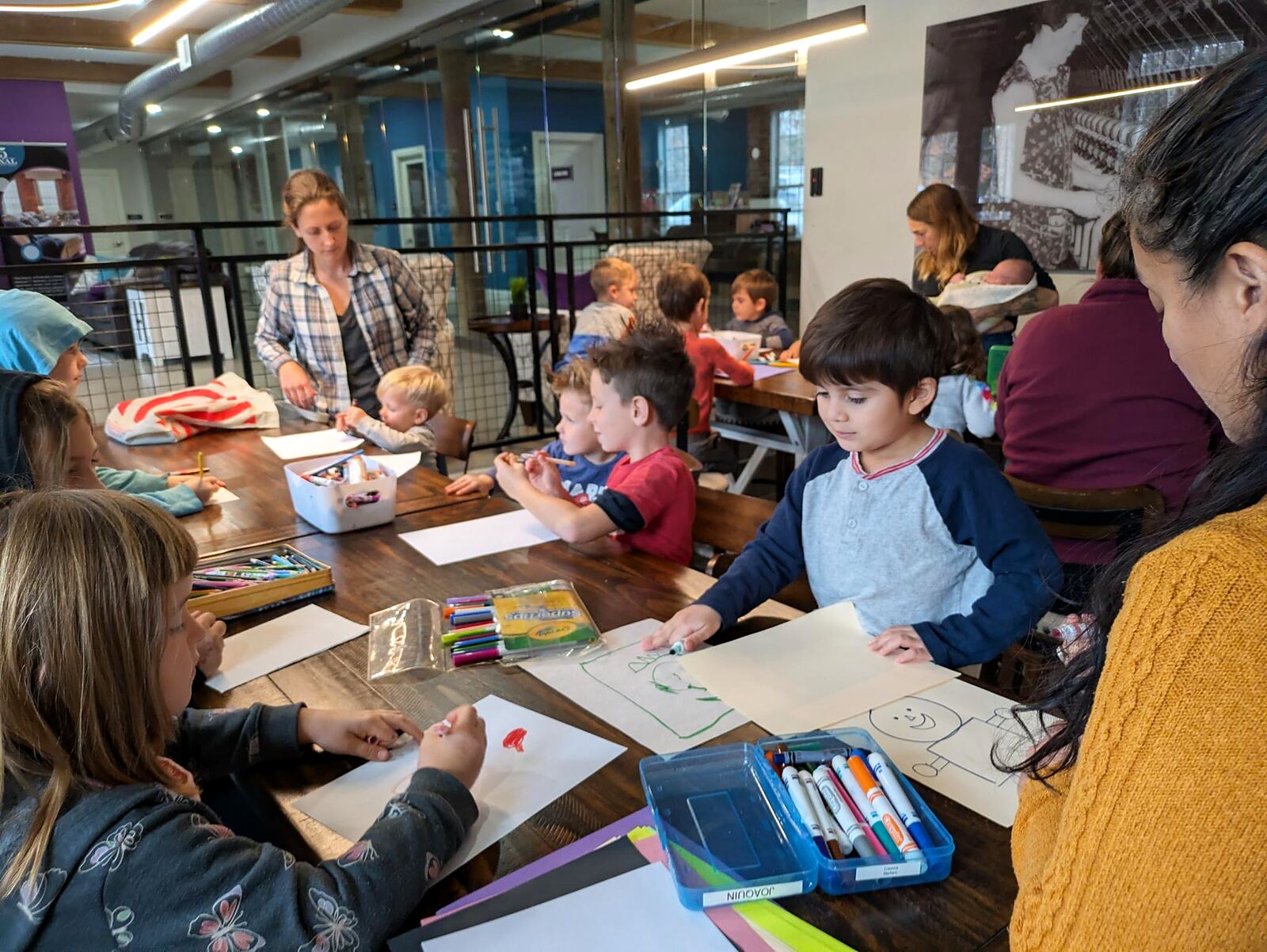
A focused block of about two hours of direct instruction and individual practice, then workshops and projects where it gets used. When it's serious time, the kids are expected to be serious. Around it they get a lot of social, flexible, and self-directed time. School works better when kids want to be there, and a good education sometimes means doing things kids don't like. We teach them that too.
| First thing | Arrival & morning meeting. Settle in, greet the teacher, hear the day’s plan, stated plainly, then begun. |
| Morning | The adaptive block. About two hours of direct instruction and individual practice: reading and mathematics, each child at exactly their level. |
| Mid-morning | Recess. Outside, every day. |
| Late morning | Writing & knowledge. Writing, science, history & civics, the knowledge-rich sequence, taught in order. |
| Midday | Lunch & recess. A real break, then back to work. |
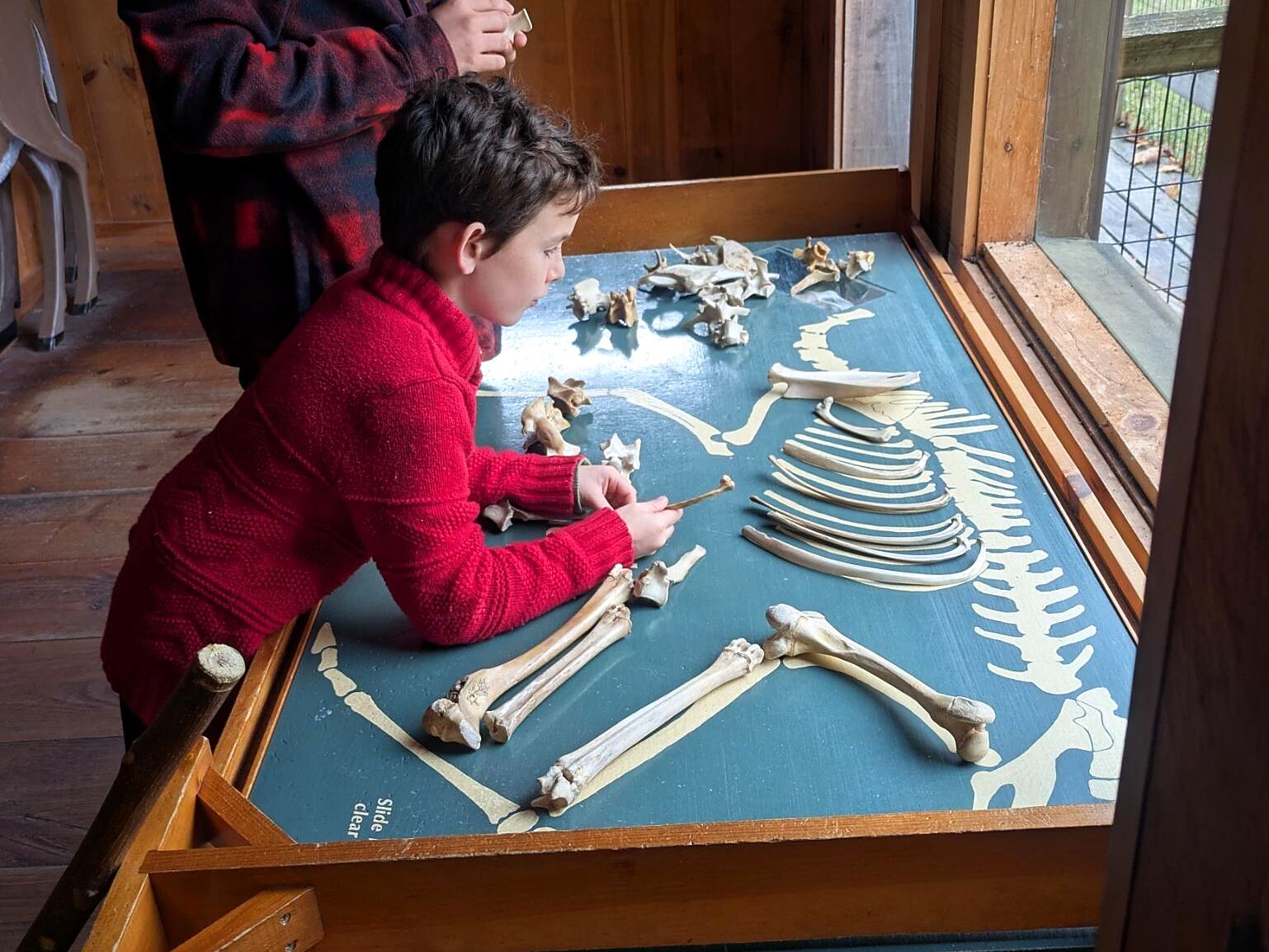
| Afternoon | Workshops & projects. The morning’s work put to use: building, writing, experimenting, arguing. |
| Last thing | Read-aloud & close. The whole school with one good book, then review and dismissal. |
Their own direction
Agency is its own competence, separate from intelligence, and we want kids to have it. So some units are chosen or directed by the child, to build a specialization and learn what one is worth. It's practice at self-direction, and practice is part of what works.
Inside shared work, every child is free to pursue their own limits. Our classes are built so that each child can reach their personal best, not the group's average.
How we know it's working
We measure, because it works and because it's how you know whether anything else does. What each child has mastered is charted, and kids see their own chart. Numbers alone go wrong, so the teacher's judgment comes with them. Parents get both. If a child is behind, we know in weeks, and so do you.
How we measure
Day to day, mastery tracking shows exactly which skills a child has and which come next. Each child also takes a standardized achievement test, so progress is checked against something outside the school.
A school, in the full sense
Our purpose is instruction, not custodial care: every child is a regularly enrolled student in a defined academic program, with a curriculum, a faculty, and measured progress.